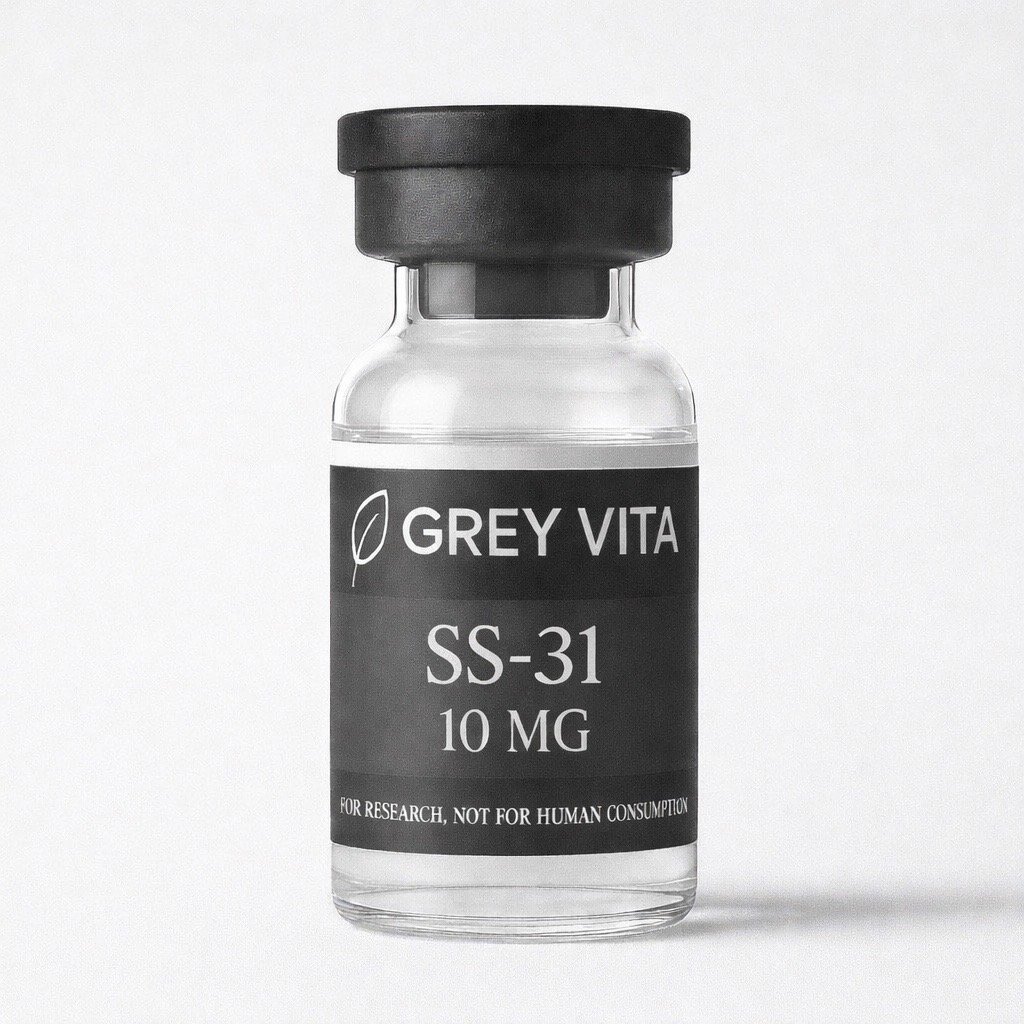


SS-31
Mitochondrial Research Peptide
0 Left in Stock
Out of Stock
SS-31 (also known as Elamipretide, Bendavia, or MTP-131) is a research peptide that selectively targets mitochondria. It is an investigational drug not approved by the FDA for general human therapeutic use, and information on its use is for research or educational purposes only.
Research Considerations
Information regarding the use of SS-31 stems primarily from preclinical studies and clinical trials, where parameters such as administration method (intravenous or subcutaneous) and the condition being studied influenced research protocols. Data on long-term safety in humans beyond a few weeks of treatment remains limited.
Potential Benefits Explored in Research
SS-31 functions by accumulating in the inner mitochondrial membrane and interacting with cardiolipin. This interaction is thought to help stabilize mitochondrial structure, improve the efficiency of the electron transport chain, decrease the production of reactive oxygen species, and enhance the synthesis of ATP, a key energy molecule.
While numerous preclinical studies, primarily in animal models, have explored a wide range of potential benefits, outcomes from clinical trials in humans for conditions such as heart failure and mitochondrial myopathy have been varied or inconclusive.
Cardiovascular System: Research in animal models suggests potential protective effects against injury from lack of blood flow, improved exercise capacity, enhanced heart function in models of heart failure, and a reduction in the development of fatty deposits in arteries.
Neurological Function: Studies in animal models indicate possible benefits in reducing age-related cognitive decline, offering protection against damage from traumatic brain injury and stroke, and potentially addressing aspects of Alzheimer's and Parkinson's diseases.
Musculoskeletal System: Preclinical research has suggested that SS-31 may reverse declines in muscle function and endurance associated with aging, potentially making muscles more resistant to fatigue.
Renal System: Research in animal models shows potential protective effects against various forms of kidney injury, such as diabetic kidney disease and damage from lack of blood flow followed by reperfusion, by reducing cellular stress and inflammation.
Cellular Aging: By targeting the decline of mitochondrial function often associated with aging, SS-31 is being investigated for potential effects on cellular aging and extending the period of good health at a cellular level.
Note: The details presented here summarize findings from research. SS-31 is classified as a research chemical, and its use should only occur under the guidance of qualified medical professionals or within the framework of formal research.
Disclaimer: This information is intended for general knowledge and should not be interpreted as medical advice. Always consult with a healthcare provider before considering any new treatment or supplement.